What Is the Proper Technique for Anchoring a Boat at Sea?
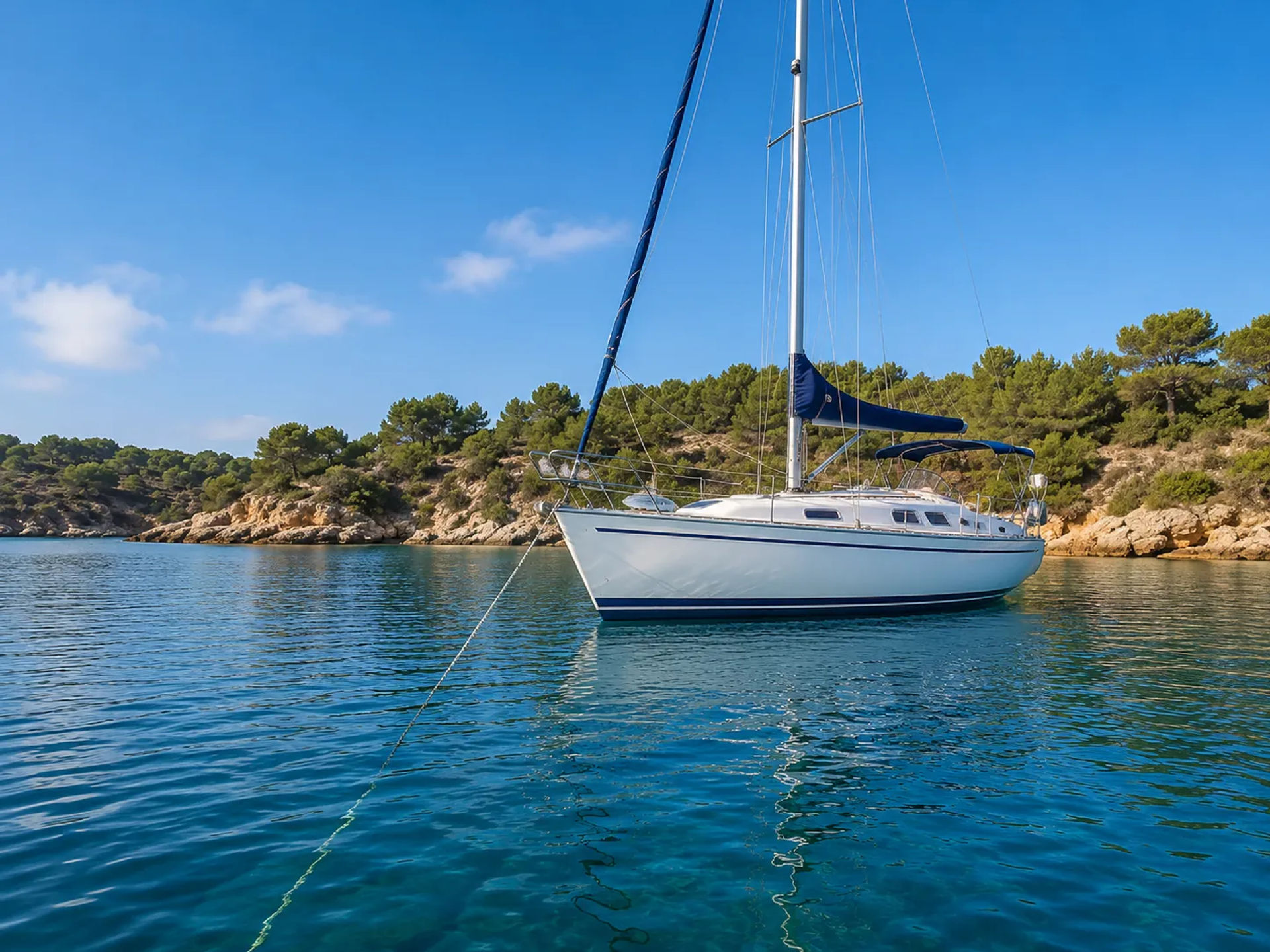
Anchoring a boat safely involves more than lowering a heavy object into the water and hoping it holds. The proper technique for anchoring requires careful planning, suitable equipment, enough anchor rode, a controlled approach, and ongoing monitoring after the anchor is set. Wind, current, water depth, surrounding vessels, tidal changes, and the type of seabed can all influence how securely a boat remains in position. By learning several basic anchoring techniques, new boaters can stop for lunch, spend the night in a protected cove, or respond to changing conditions with greater confidence.
Why Proper Anchoring Technique Matters
A securely set anchor helps keep a vessel from drifting into shallow water, nearby boats, rocks, docks, or other hazards. It can also provide a stable place to rest, wait for improved conditions, or remain overnight.
Poor anchoring technique may result in anchor dragging, tangled rode, damaged equipment, or an unsafe swing toward surrounding obstacles. Successful anchoring therefore depends on the entire system—not only the anchor itself. The anchor, chain, rope, bow hardware, windlass, shackles, crew communication, and chosen anchorage must all work together.
No single method is appropriate for every boat or situation. The proper technique for anchoring should always be adjusted to the vessel, equipment, forecast, bottom conditions, and expected duration of the stay.
What Is the Proper Technique for Anchoring a Boat?
For most routine situations, the proper anchoring sequence is:
- Evaluate the anchorage.
- Determine the water depth and bottom type.
- Check the wind, current, tide, and forecast.
- Calculate the necessary scope.
- Approach slowly into the stronger of the wind or current.
- Stop the boat over the selected drop point.
- Lower the anchor under control.
- Allow the boat to move backward while paying out rode.
- Apply gradual reverse power to set the anchor.
- Confirm that the anchor is holding.
- Monitor the vessel’s position throughout the stay.
This sequence may sound simple, but each step requires observation and judgment. Rushing the approach, dropping the anchor in a pile, or failing to account for the boat’s swinging circle can undermine the entire process.
Choose a Safe Anchorage Before Dropping the Anchor
The first anchoring decision is where to stop. Review the chart and examine the surrounding area before committing to a location. NOAA provides nautical charts, current predictions, water-level information, and marine observations that can help boaters evaluate coastal conditions before and during a trip.
Look for an anchorage that offers:
- Adequate depth at both high and low tide
- Good protection from expected wind and waves
- Sufficient room for the boat to swing
- Suitable holding ground
- Safe clearance from shoals, rocks, docks, channels, and other vessels
- A clear route for departure
- No charted cables, pipelines, restricted areas, or environmental exclusions
Consider what may happen several hours later, not only what conditions are like when you arrive. A comfortable anchorage in an offshore breeze may become exposed if the wind turns onshore. A spacious location at low current may also become crowded once boats swing in a new direction.
Before anchoring, check the current marine forecast and anticipated tidal conditions. Weather and boating-safety organizations recommend reviewing forecasts before departure and continuing to monitor conditions during longer trips.
Identify the Seabed and Select the Right Anchor
Different anchors perform differently depending on the seabed. Charts, cruising guides, depth sounders, local knowledge, and visual observation in clear water may help identify the bottom.
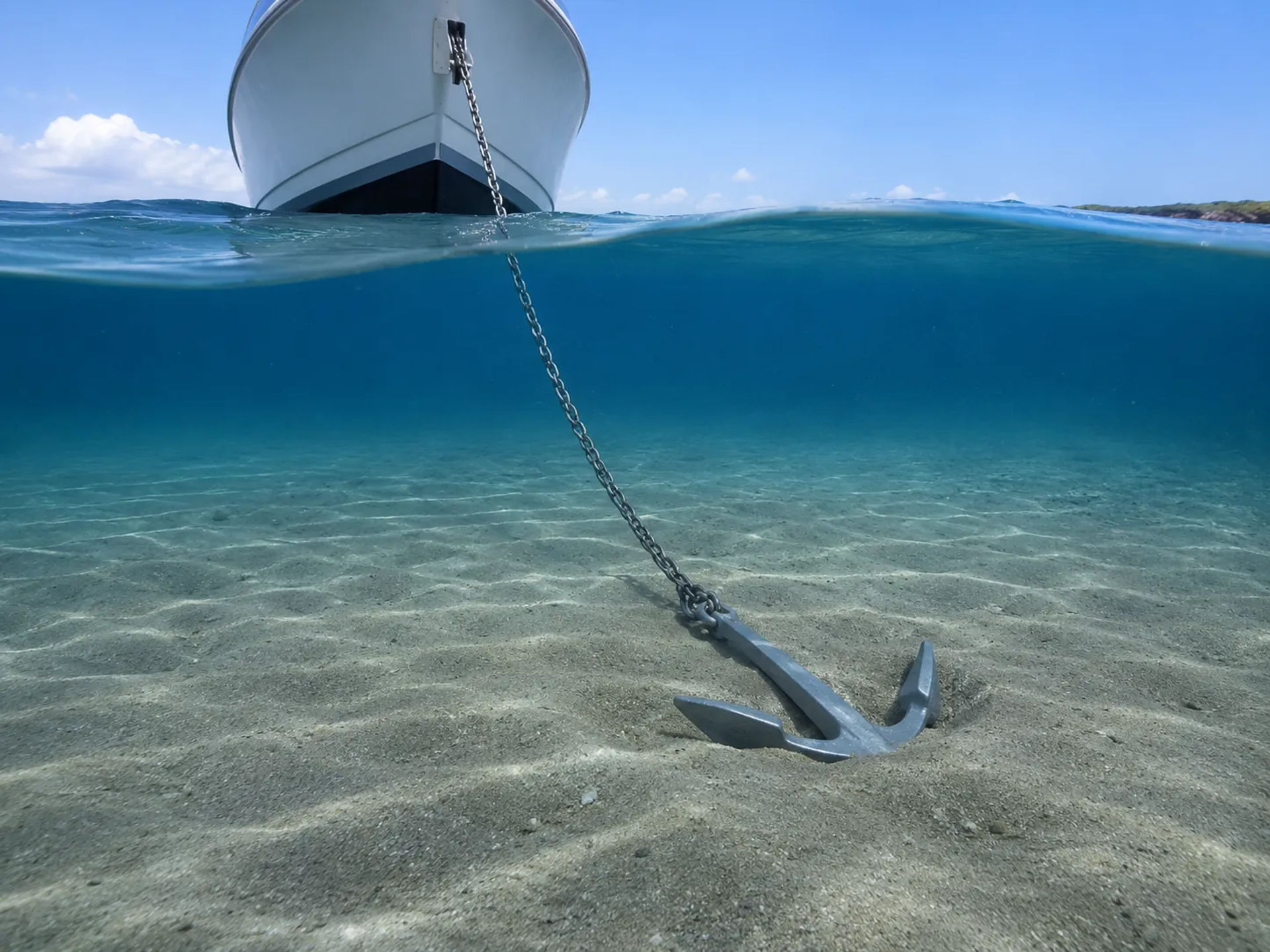
Sand
Firm sand generally provides reliable holding for many common anchor designs. The anchor can often bury itself as the boat pulls backward and the rode becomes tensioned.
Avoid areas of extremely loose sand, steep bottom contours, or heavy vegetation that may prevent the anchor from reaching the seabed.
Mud
Mud can provide good holding, but soft mud may require an anchor with a wide surface area that can penetrate deeply. A slow, progressive set is often more effective than immediately applying heavy reverse power.
In some locations, a thin layer of soft mud may cover a firmer layer underneath. The anchor may initially appear to hold before breaking free under a greater load.
Clay
Clay may offer strong holding after the anchor penetrates, but hard or compacted clay can make it difficult for some anchors to dig in. Clay can also cling to the anchor during retrieval.
Gravel, Rock, and Coral
Rocky bottoms are less predictable because an anchor may catch on a ledge rather than bury securely. It may also become lodged and difficult to retrieve.
Anchoring on coral, seagrass, or other sensitive habitat should be avoided wherever prohibited or where a designated mooring is available. Repeated anchoring and chain movement can damage sensitive seabed environments.
Grass or Heavy Vegetation
Dense vegetation may prevent the anchor from reaching the substrate beneath it. The anchor can become tangled in the grass and appear secure temporarily without being properly buried.
Whenever possible, choose a visible patch of clear sand rather than dropping directly into vegetation.
Calculate the Correct Anchor Scope
Scope is the ratio between the amount of anchor rode deployed and the vertical distance from the seabed to the point where the rode leaves the boat, usually the bow roller or chock. It should not be calculated using water depth alone.
For example, suppose the water is 12 feet deep and the bow roller is 4 feet above the water:
- Total vertical distance: 16 feet
- At 7:1 scope: 16 × 7 = 112 feet of rode
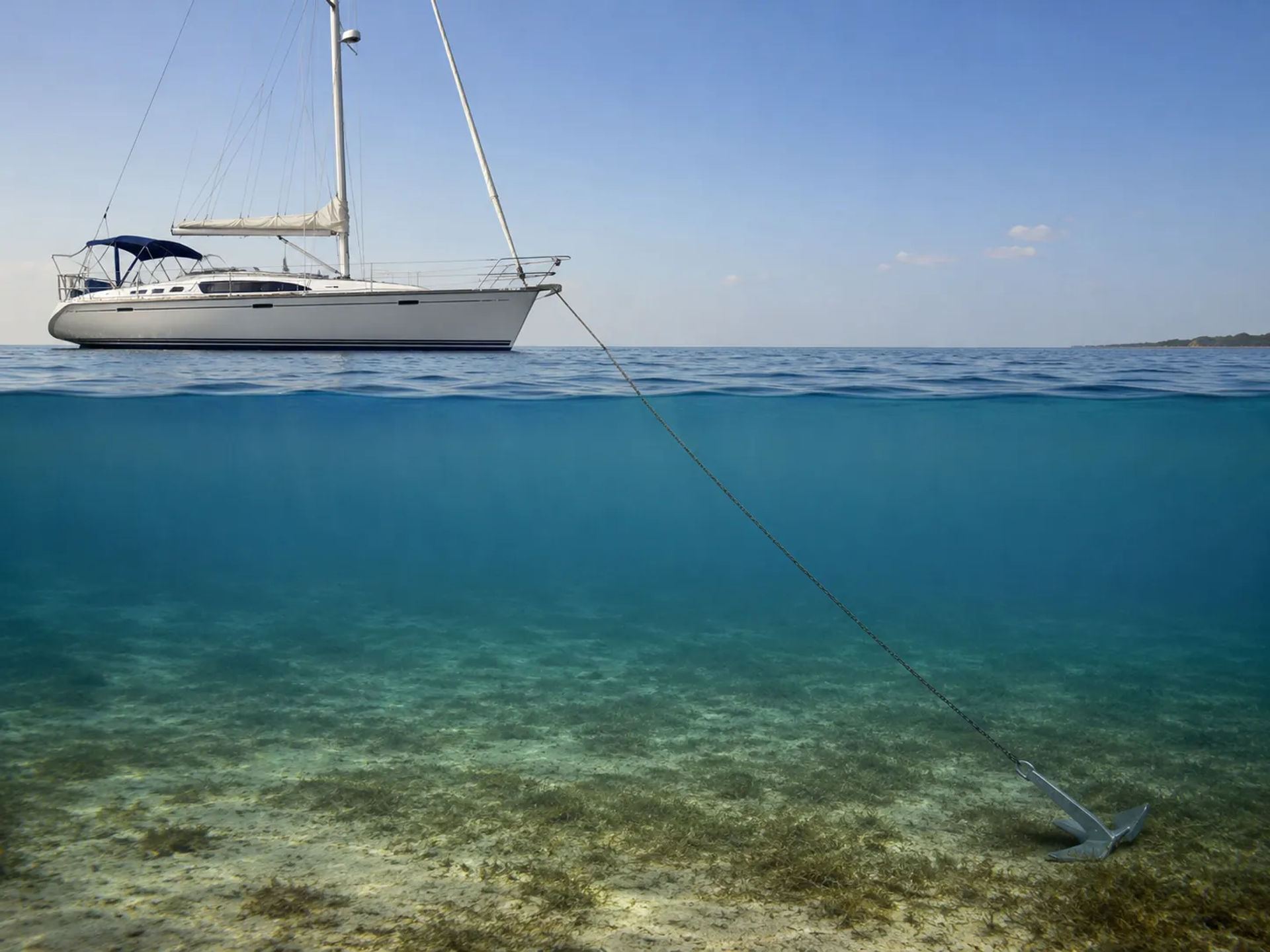
American Sailing identifies 7:1 as a commonly used scope for chain-and-rope anchoring arrangements, particularly when secure overnight holding is needed. The correct ratio can vary with the anchor, rode, available space, weather, water depth, vessel characteristics, and manufacturer guidance.
More scope generally lowers the angle of pull on the anchor, helping it remain buried. Less scope creates a steeper upward pull and may make the anchor more likely to break free.
Additional scope may be appropriate when:
- Stronger wind is forecast
- The boat will remain overnight
- The seabed has questionable holding
- Waves or swell may load the rode
- The current is strong
- The vessel has considerable windage
- The anchorage has enough room for a larger swing
A shorter scope may occasionally be necessary in a crowded anchorage, but it should not be treated as a substitute for choosing a safer location. If there is not enough room to deploy a secure amount of rode, another anchorage or an established mooring may be the better option.
Approach the Anchoring Location Under Control
Once the location and required scope have been determined, prepare the anchor before entering the final approach. Remove unnecessary lashings, confirm that the rode is ready to run, and make sure it is properly secured to the boat.
Brief the crew so everyone understands:
- Who is operating the helm
- Who is controlling the anchor
- Which hand signals or commands will be used
- How much rode will be deployed
- Where hands and feet must remain clear
- What to do if the approach is aborted
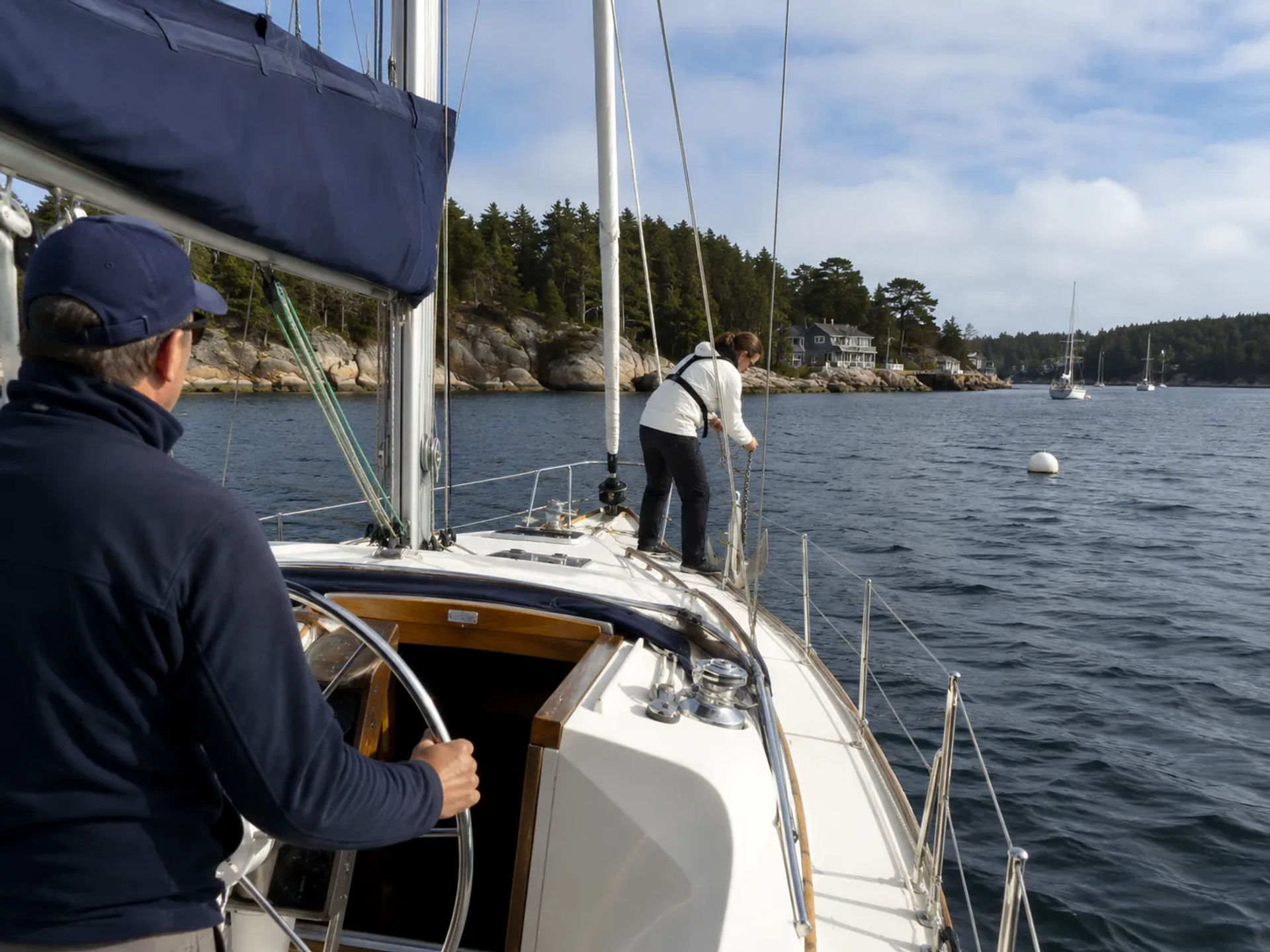
Approach slowly into the stronger of the wind or current. In many anchorages, the bow will naturally face into the wind. In areas with a strong tidal flow, however, the current may have a greater effect than the wind.
Watch how nearby boats are lying. Their headings, flags, rigging, wake patterns, and rode angles can provide useful clues about the dominant force.
Lower the Anchor Instead of Throwing It
Bring the boat to a controlled stop over the chosen drop point. Lower the anchor vertically until it reaches the seabed.
Do not throw the anchor and rode overboard. Doing so can cause the chain or rope to land on top of the anchor, create tangles, injure a crew member, or interfere with the anchor’s ability to orient and dig into the bottom.
Once the anchor reaches the seabed, allow the boat to move backward naturally or use very light reverse power. Pay out rode gradually as the boat moves away from the anchor.
Maintain enough tension to help lay the rode in a relatively straight line, but do not stop it so abruptly that the anchor is pulled out before it begins to dig.
Set the Anchor Gradually
After the desired scope has been deployed, secure the rode to an appropriate strong point. Do not rely solely on a windlass to carry anchoring loads unless the equipment manufacturer specifically permits it. A cleat, chain stopper, bridle, or snubber may be used according to the vessel’s anchoring arrangement.
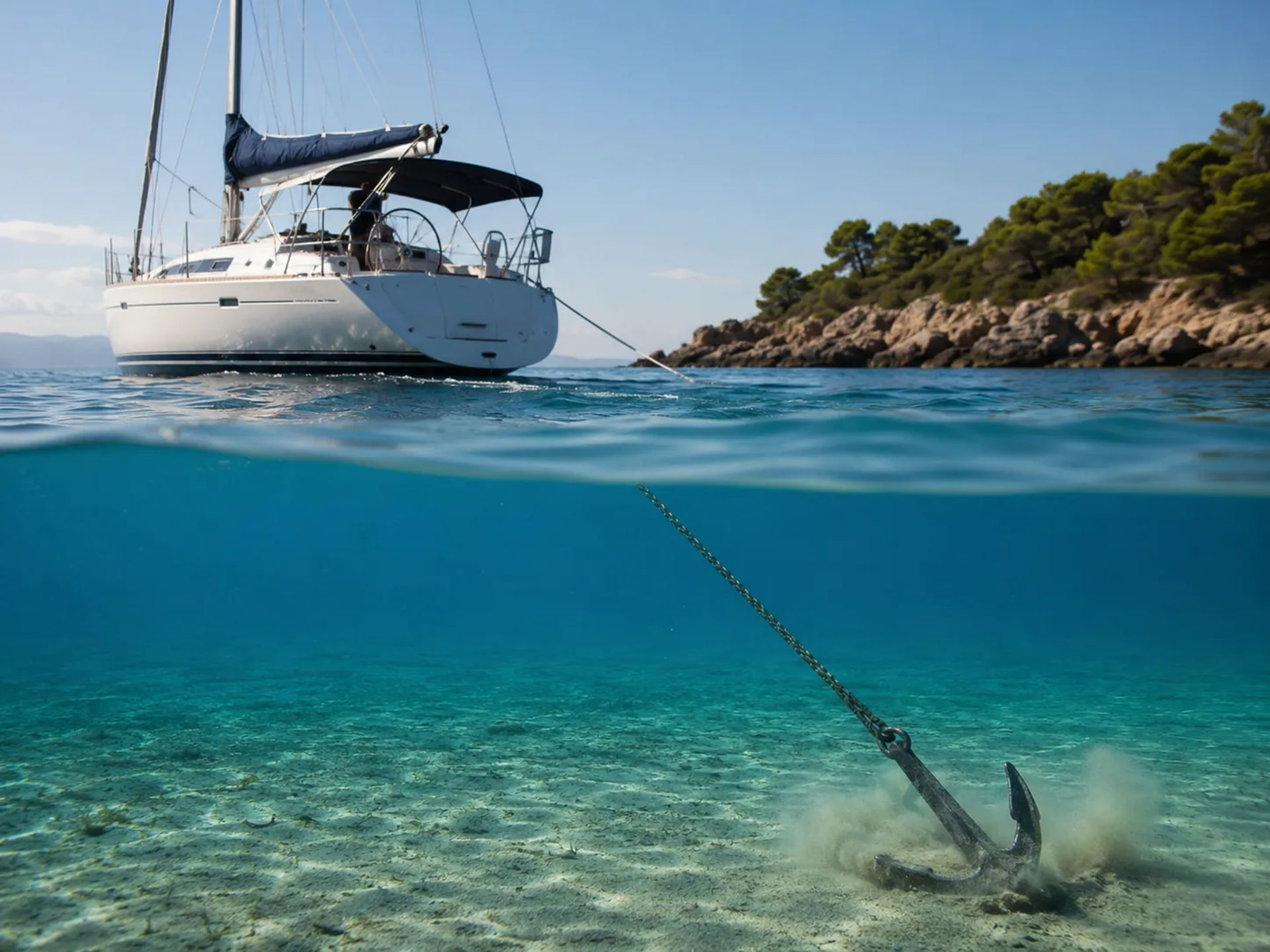
Allow the rode to become tensioned, then apply reverse power gradually. The objective is to increase the load progressively so the anchor digs into the seabed.
Watch and feel for signs that the anchor has set:
- The rode becomes firm and maintains a consistent direction.
- The boat stops moving backward.
- Two fixed objects ashore remain aligned.
- The chartplotter position stabilizes within the expected range.
- The rode vibrates less than it would if the anchor were skipping.
- Increasing reverse power does not cause continued movement.
Do not rely exclusively on engine power or a single electronic reading. Combine visual bearings, depth information, GPS data, and the physical behavior of the rode.
If the anchor does not set, retrieve it and inspect it for mud, weeds, plastic, or other debris. Reposition the boat and try again rather than hoping a poorly set anchor will improve on its own.
Anchoring Techniques for Different Wind Conditions
Light and Steady Wind
In light, stable conditions, a conventional single anchor from the bow is usually appropriate when the anchorage offers suitable holding and sufficient room.
Even in calm weather, set the anchor properly and deploy adequate scope. Conditions may change while the crew is swimming, eating, sleeping, or away from the boat.
Strong Wind
As wind increases, the load on the anchoring system can rise considerably. The boat may sail from side to side, jerk against the rode, or generate repeated shock loads.
Anchoring techniques for stronger wind may include:
- Selecting a location with better shelter
- Using a larger amount of scope
- Installing a nylon snubber on an all-chain rode
- Using a bridle on a multihull
- Reducing unnecessary windage
- Maintaining an active anchor watch
- Preparing the engine for a rapid departure
- Establishing a conservative GPS anchor alarm
Do not wait until conditions become severe before making adjustments. Increasing scope or relocating is easier while there is still daylight, visibility, and maneuvering room.
Shifting Wind
When the wind changes direction, the boat may swing around the anchor. Confirm that the entire swinging circle remains free from hazards.
A wind shift can also reverse the direction of pull on an anchor that was buried in one direction. Some anchors reset readily, while others may break free before digging in again. Continue monitoring the boat as the shift occurs.
Anchoring Techniques for Current and Tidal Changes
Current can influence both the boat’s approach and its final orientation. When current is stronger than the wind, approach into the current and lower the anchor up-current of the desired resting position.
In reversing tidal areas, the boat may swing approximately 180 degrees as the tide turns. Before anchoring, make sure the new swing will not take the vessel into:
- Another boat
- Shallow water
- A channel
- A dock or seawall
- Rocks or shoreline
- Another vessel’s anchor rode
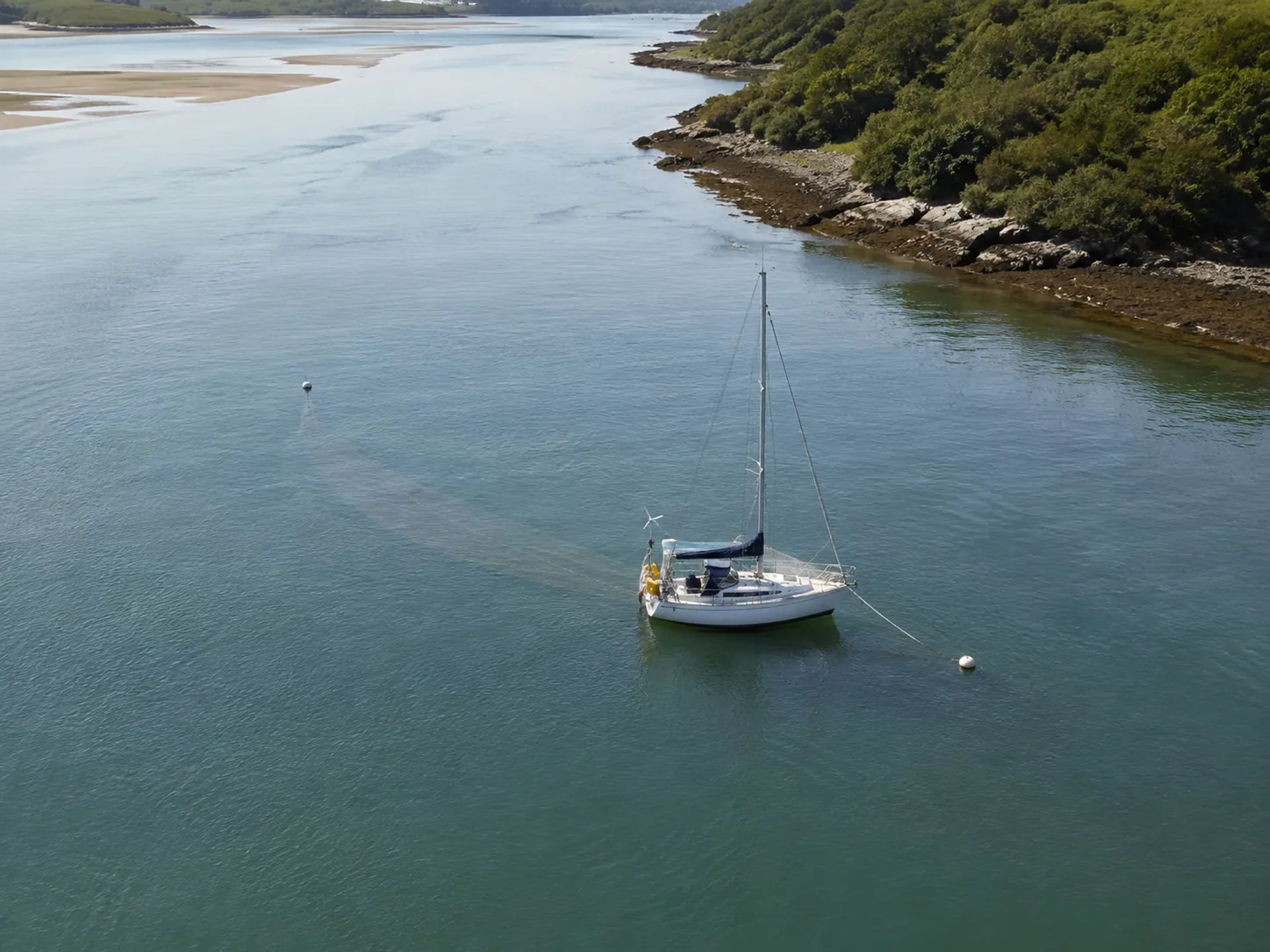
In locations with strong reversing currents and limited room, specialized arrangements such as a Bahamian moor may sometimes be used. This method involves two anchors aligned in opposite directions to reduce the vessel’s swinging area. However, multi-anchor anchoring techniques require additional knowledge because crossed rodes, changing loads, and neighboring swing patterns can create new risks.
Beginners should practice advanced arrangements under qualified instruction rather than attempting them for the first time in demanding conditions.
How Waves and Swell Affect Anchoring
An anchorage may be protected from wind but still exposed to swell wrapping around a point or entering from offshore. If the boat lies broadside to the swell, rolling may become uncomfortable or unsafe.
Check the direction of both the wind and waves. They do not always come from the same direction.
Increased wave action can produce repeated loading on the anchor system. More scope, a snubber, or a more protected anchorage may help. If conditions continue to deteriorate, leaving early may be safer than trying to correct a marginal setup after dark.
Maintain a Safe Swinging Circle
A boat anchored from the bow will swing as wind and current change. The approximate swing radius includes the deployed rode plus the vessel’s length, though actual movement depends on conditions and the behavior of surrounding boats.
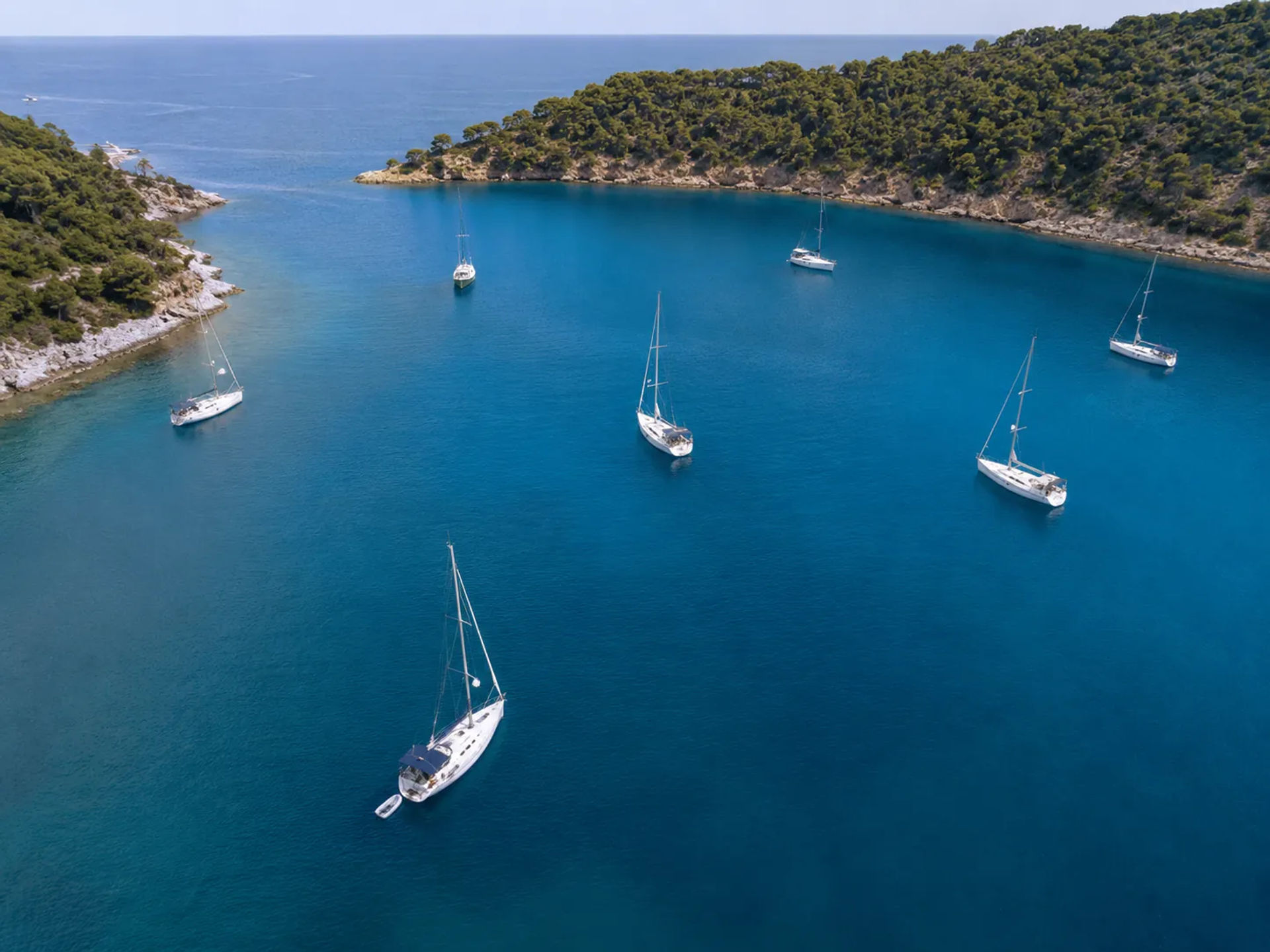
When entering an occupied anchorage, observe how other boats are anchored. Boats using different scopes, stern anchors, moorings, or all-chain systems may swing differently.
As a general etiquette practice, avoid dropping your anchor directly on top of another boat’s anchor or rode. Also allow appropriate clearance from vessels that arrived before you.
Monitor the Anchor After It Is Set
Anchoring is not finished once the engine is turned off. Continue to verify that the boat remains within its expected position.
Useful monitoring methods include:
- Taking bearings on fixed objects ashore
- Setting a GPS or chartplotter anchor alarm
- Watching the depth sounder
- Checking the distance from nearby vessels
- Feeling the rode for vibration or skipping
- Inspecting chafe points
- Checking shackles, cleats, snubbers, and bridles
- Monitoring wind, tide, and current changes
Set an anchor alarm based on the anchor’s actual position when possible, not simply the boat’s position after it has fallen back. A poorly configured alarm may sound repeatedly during normal swinging or fail to provide enough warning during genuine dragging.
For overnight anchoring or deteriorating weather, establish an anchor-watch schedule appropriate to the conditions and crew.
Recognize the Signs of a Dragging Anchor
An anchor may be dragging if:
- Fixed shoreline bearings steadily change
- The GPS track moves outside the expected swing circle
- The anchor alarm activates
- The boat continues moving backward under steady reverse power
- The rode repeatedly jerks, vibrates, or skips
- Water depth changes unexpectedly
- Nearby boats or landmarks appear progressively closer
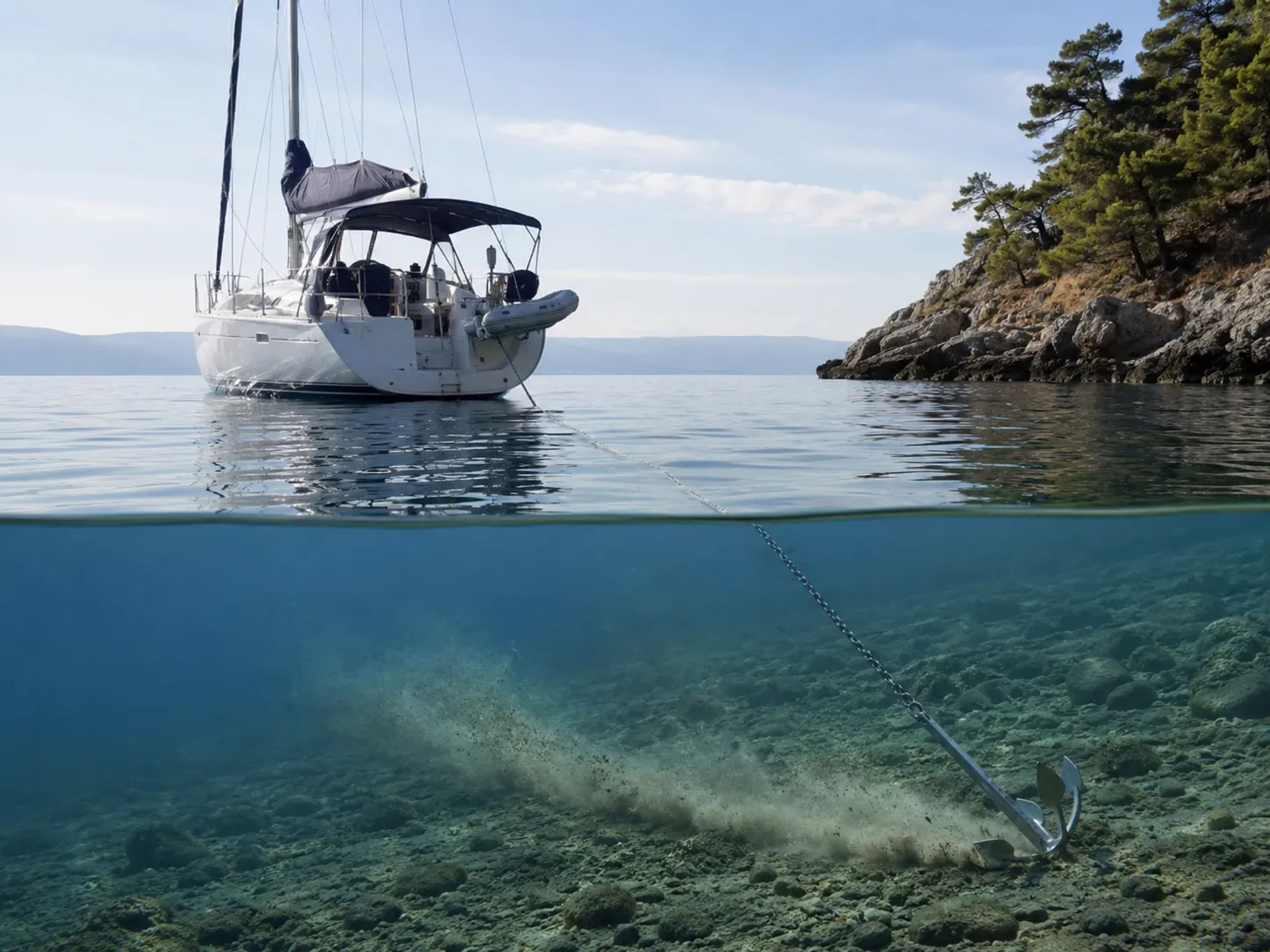
If dragging occurs, start the engine, alert the crew, and assess the surrounding hazards. Reduce the load on the rode with controlled engine power if necessary, then retrieve and reset the anchor in a better location.
Do not allow the engine or propeller to come into contact with loose rope. Keep the rode forward and maintain clear communication between the bow and helm.
Retrieve the Anchor Safely
Before weighing anchor, start the engine and prepare the boat for immediate maneuvering. Slowly move toward the anchor while retrieving the rode.
The windlass should generally be used to lift the rode, not pull the entire boat against heavy wind or current. Use the engine to reduce the load as the crew brings the boat forward.
When the rode becomes vertical, secure it briefly and use the boat’s movement carefully to help break the anchor free. Avoid excessive windlass strain.
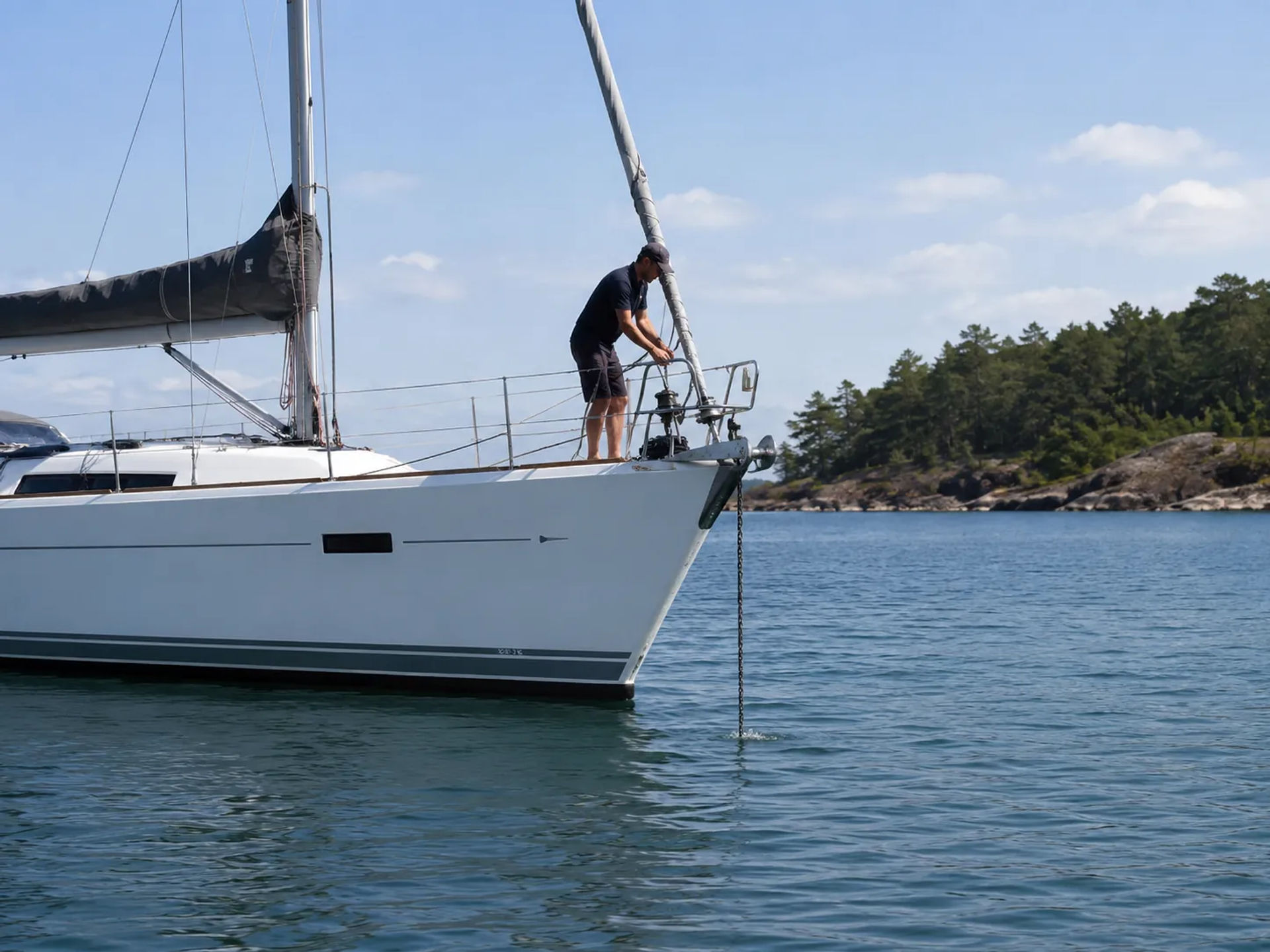
Once the anchor is aboard:
- Keep hands clear of the bow roller and windlass.
- Remove mud, weeds, or debris.
- Inspect the anchor and rode for damage.
- Secure the anchor so it cannot deploy accidentally.
- Confirm that all equipment is stowed before increasing speed.
Common Anchoring Mistakes Beginners Should Avoid
Many anchoring problems can be traced to a few recurring mistakes:
- Anchoring without checking the forecast or tide
- Using too little scope
- Calculating scope from water depth alone
- Dropping the anchor in an unsuitable seabed
- Throwing the anchor and rode overboard
- Allowing the rode to collect in a pile
- Applying excessive reverse power too quickly
- Failing to test whether the anchor is holding
- Ignoring the vessel’s full swinging circle
- Anchoring too close to other boats
- Leaving the windlass to carry the entire load
- Failing to monitor the anchor after setting it
- Waiting too long to relocate as conditions worsen
The proper technique for anchoring is methodical rather than hurried. If an anchoring attempt does not feel secure, retrieve the equipment and begin again.
Learn Proper Anchoring Techniques at Naos Yachts
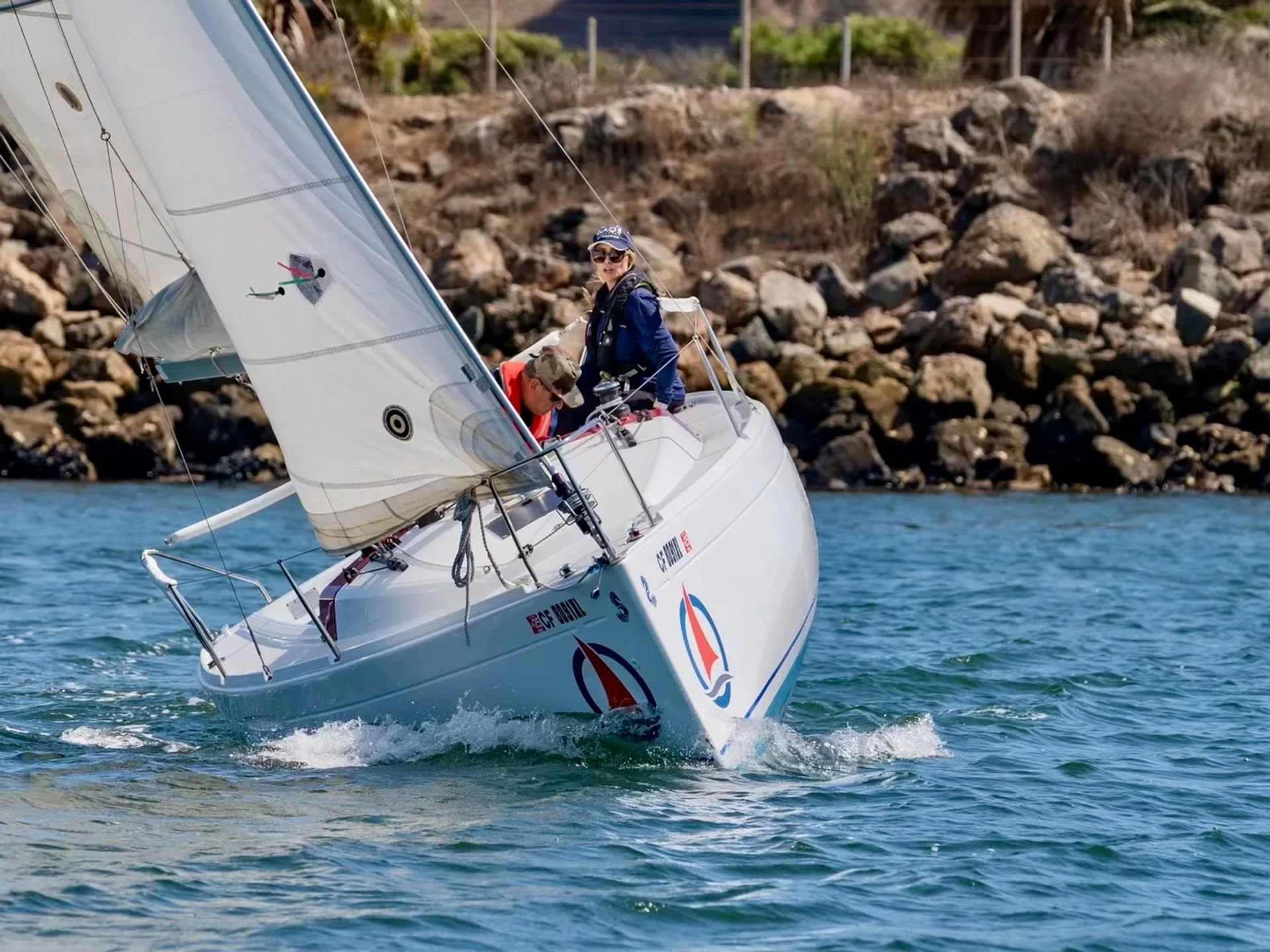
Naos Yachts in Marina del Rey offers hands-on sailing instruction for new boaters and experienced sailors who want to develop stronger cruising and boat-handling skills. Our sailing school provides a wide range of American Sailing and American Boating certified classes taught using practical instruction on the water. Students can learn essential seamanship, navigation, weather awareness, docking, anchoring, and vessel-management skills in a structured environment.
Our ASA 103 Basic Coastal Cruising course includes anchoring, coastal navigation, weather interpretation, auxiliary engine operation, safety, and seamanship. ASA 104 Bareboat Cruising builds on these skills through more advanced coastal-cruising instruction, including onboard systems, docking, navigation, and practical anchoring experience. Our ASA 118 Docking Endorsement focuses primarily on close-quarters maneuvering and docking, helping sailors understand how wind, current, prop walk, pivot points, lines, and controlled power affect a vessel—skills that also support safer positioning and boat control around anchorages.
Build Confidence Before Your Next Coastal Cruise. Book a Sailing Class at Naos Yachts in Marina del Rey
Understanding what is the proper technique for anchoring a boat requires both knowledge and repeated practice. Safe anchoring begins with choosing a suitable location, evaluating the weather and seabed, calculating enough scope, lowering the anchor under control, setting it gradually, and continuously monitoring the vessel.
Hands-on instruction can help you turn these individual steps into a dependable routine. Contact Naos Yachts in Marina del Rey to learn more about our sailing school, or book an ASA or American Boating class directly online to strengthen your anchoring, cruising, docking, and boat-handling skills.
FAQs
How much anchor rode should I let out?
The amount of rode depends on the total vertical distance from the seabed to the boat’s bow roller, as well as the weather and water conditions. A scope of approximately 7:1 is commonly used for secure anchoring, meaning seven feet of rode for every one foot of total vertical distance.
What does anchor scope mean?
Anchor scope is the ratio between the length of rode deployed and the vertical distance from the seabed to the point where the rode leaves the boat. Greater scope creates a lower pulling angle, which generally helps the anchor remain buried more securely.
Should I anchor into the wind or the current?
A boat should generally approach the anchoring location into whichever force is stronger. In many situations this will be the wind, but in areas with strong tides or currents, approaching into the current may provide better control.
Should I throw the anchor into the water?
No, an anchor should be lowered under control rather than thrown overboard. Throwing it can cause the rode to tangle, pile on top of the anchor, damage equipment, or create a risk of injury.