Understanding Ocean Currents for Sailing: A Beginner’s Guide to Understanding Water Movement
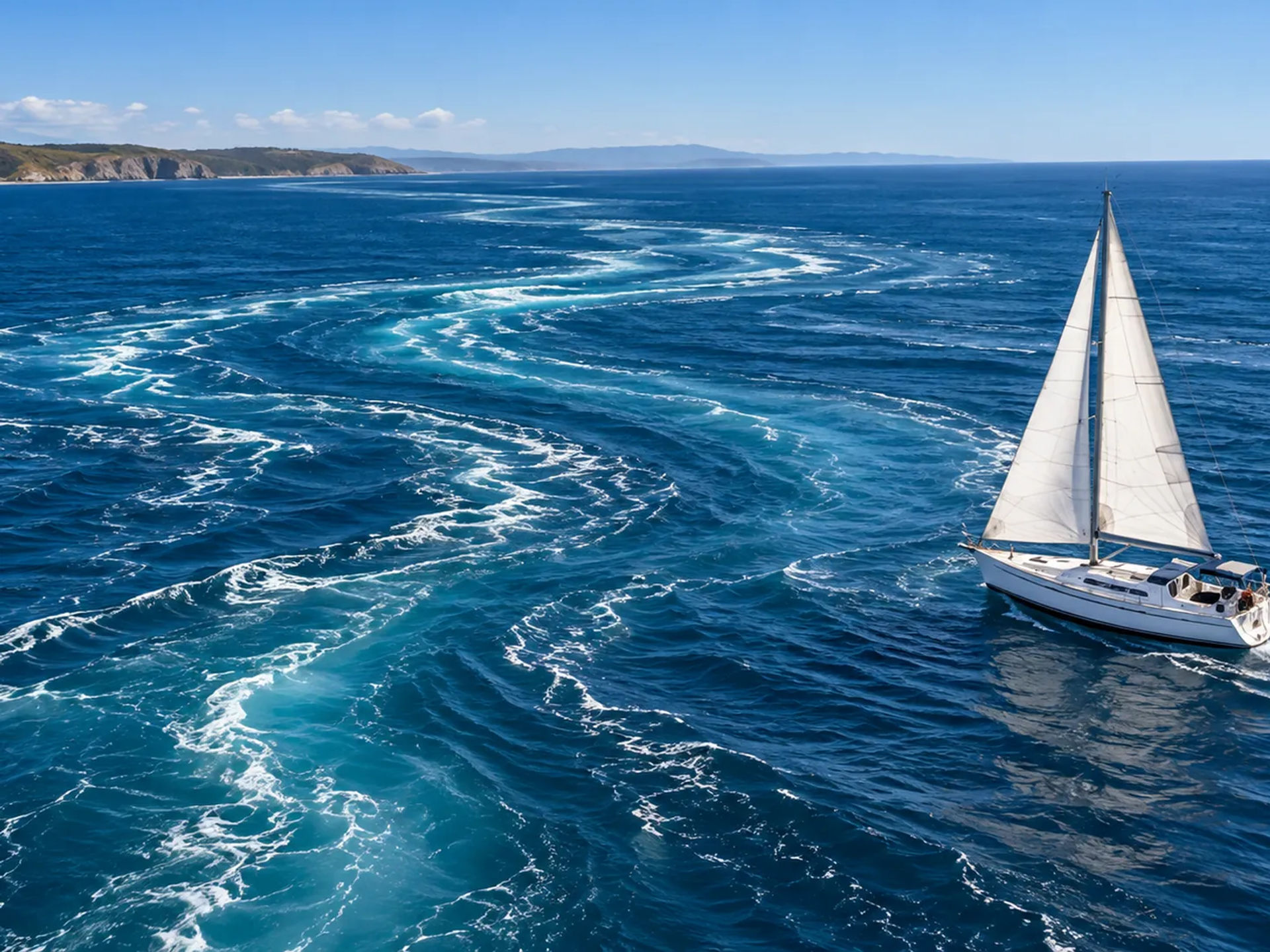
Ocean currents are constantly moving water around the world, and that movement can have a noticeable effect on a sailboat’s course, speed, and overall passage. Learning how currents work can help sailors make better routing decisions, anticipate how their boat may drift, and avoid wasting time and energy fighting against moving water.
For beginners, understanding ocean currents for sailing starts with recognizing that the boat is moving through water that may itself be traveling in a particular direction and at a particular speed. By learning how to read current information and factor it into navigation, sailors can plan safer and more efficient routes.
What Are Ocean Currents?
Ocean currents are continuous movements of seawater driven by several different forces. Some currents stretch across entire ocean basins, while others are localized movements that change throughout the day.
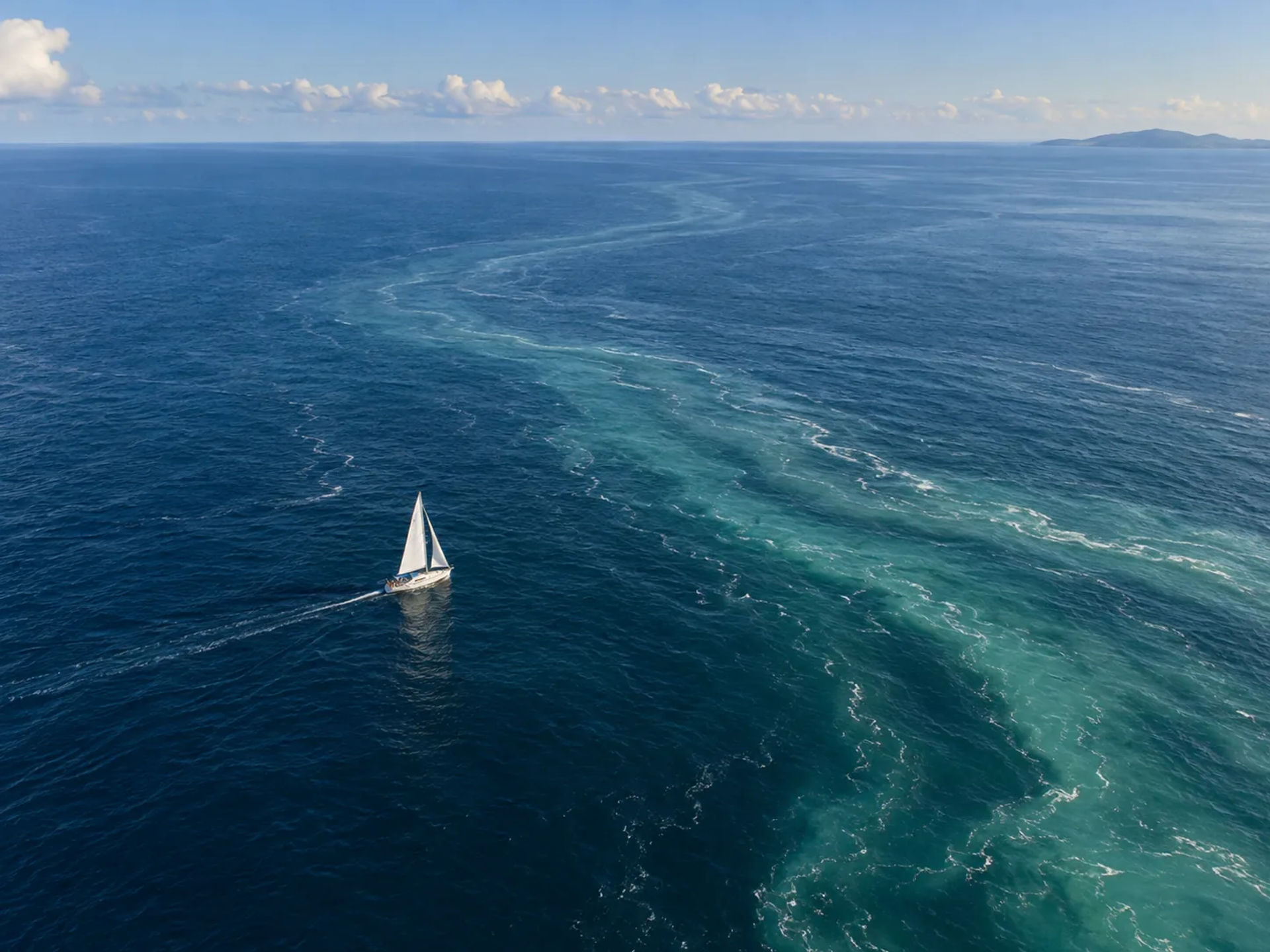
Major factors that influence currents include:
- Wind patterns
- Tides
- Differences in water temperature
- Differences in salinity and density
- Earth’s rotation
- Coastlines and underwater geography
- Local weather conditions
For sailors, currents are generally important because they influence how a vessel moves relative to the land. Even if your boat is pointed in the correct direction and maintaining a steady speed through the water, a cross-current can gradually push you away from your intended route.
Why Understanding Ocean Currents for Sailing Is Important
Understanding currents is an important part of navigation because your boat does not travel across stationary water. Depending on the strength and direction of the current, moving water may either help or hinder your progress.
When a current is flowing in roughly the same direction as your intended course, it can increase your speed over ground. A current flowing against you can reduce your progress, while a current crossing your route can push the boat sideways.
Understanding ocean currents for sailing can therefore help you:
- Estimate more realistic travel times
- Maintain a more accurate course
- Take advantage of favorable currents
- Avoid unnecessarily strong opposing currents
- Reduce fuel use when operating under power
- Better understand differences between speed through the water and speed over ground
- Make more informed decisions when navigating near shore
Currents become especially important during coastal sailing, where tidal movement, channels, headlands, islands, harbors, and other geographic features can create significant variations in water movement.
Understanding the Difference Between Currents and Tides
Tides and currents are related, but they are not the same thing.
A tide describes the periodic rise and fall of water levels, primarily resulting from the gravitational influence of the moon and sun. A tidal current describes the horizontal movement of water associated with those changing tides.
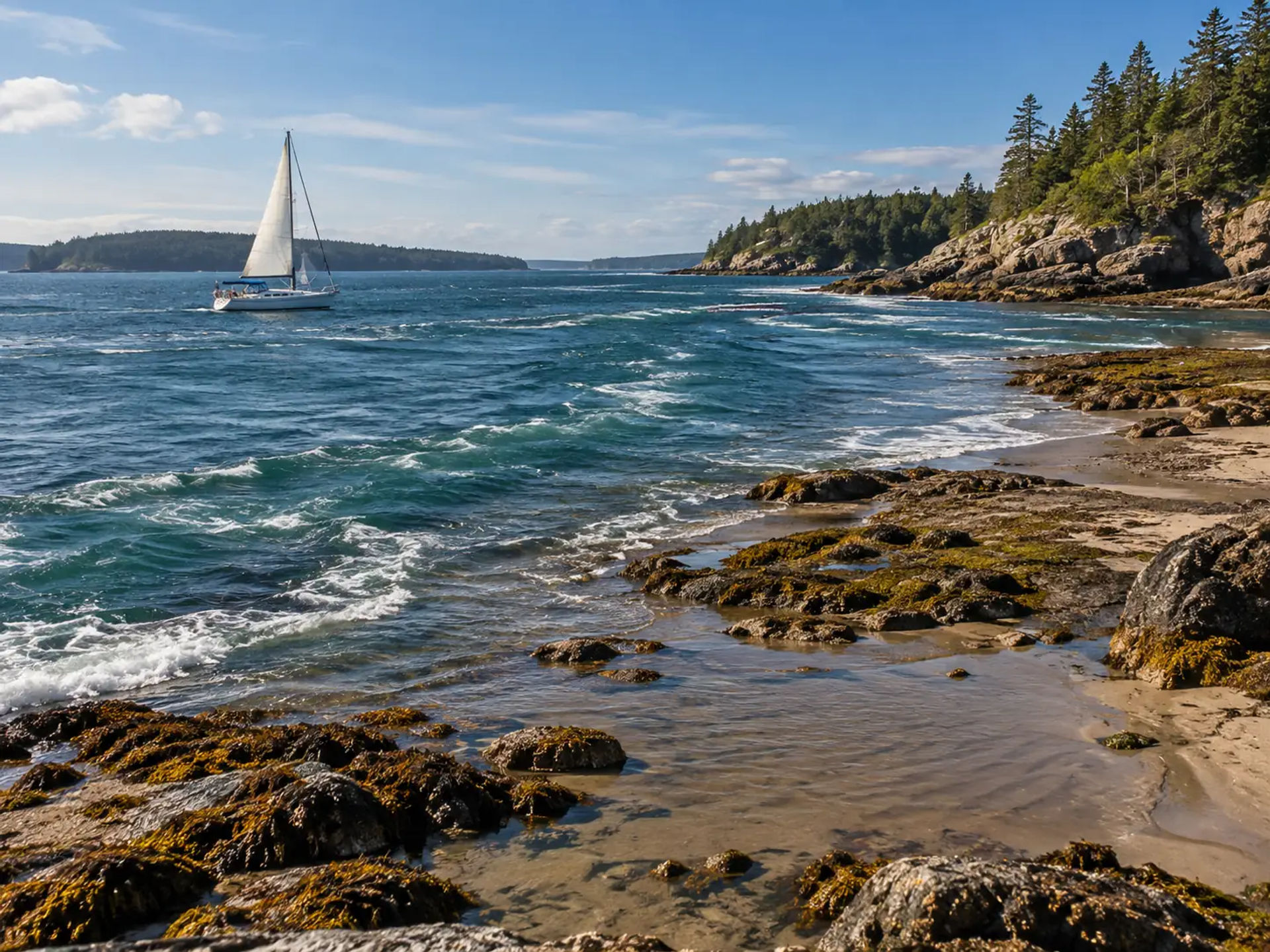
For example, an incoming tide can produce a current flowing toward a harbor or farther inland, while an outgoing tide may create a current flowing toward open water. However, local geography can make actual current directions more complicated than simply "in" or "out."
There are also broader ocean currents that are not primarily caused by local tides. Large-scale circulation patterns can move water across vast distances as a result of winds, temperature, salinity, and Earth’s rotation.
How to Read Ocean Currents for Sailing
Learning how to read currents involves determining two primary characteristics: direction and speed.
Current direction tells you where the water is moving. Current speed is commonly measured in knots, just like boat speed.
Sailors can obtain current information from several sources, including:
- Current tables
- Nautical charts
- Tidal current predictions
- Navigation software and chartplotters
- Sailing and weather applications
- Local observations
- Government marine forecasts and data
When planning a passage, look at both the predicted strength and direction of the current during the period when you expect to travel.
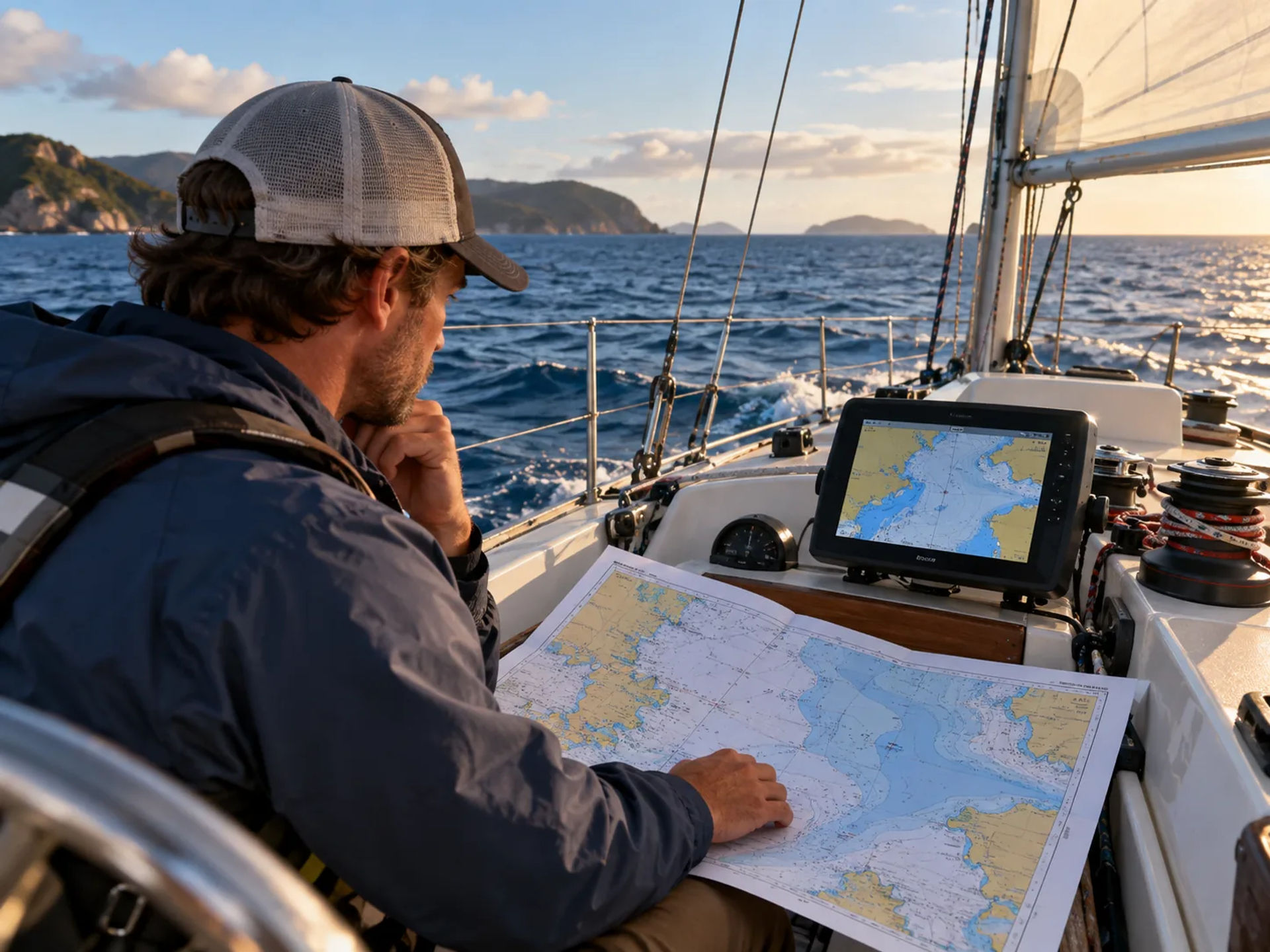
Remember that predictions are not guarantees. Wind, atmospheric pressure, runoff, local geography, and changing weather can affect actual conditions, so sailors should combine published information with observations made on the water.
Understanding Set and Drift
Two important terms associated with ocean currents for sailing are set and drift.
Set describes the direction toward which the current is flowing. Drift describes the speed of that current.
Suppose you intend to sail directly toward a destination, but a current is flowing across your planned route. If you simply point the boat at the destination, the current may gradually carry you sideways. Your actual track over the ground will therefore differ from the direction in which the boat is pointing.
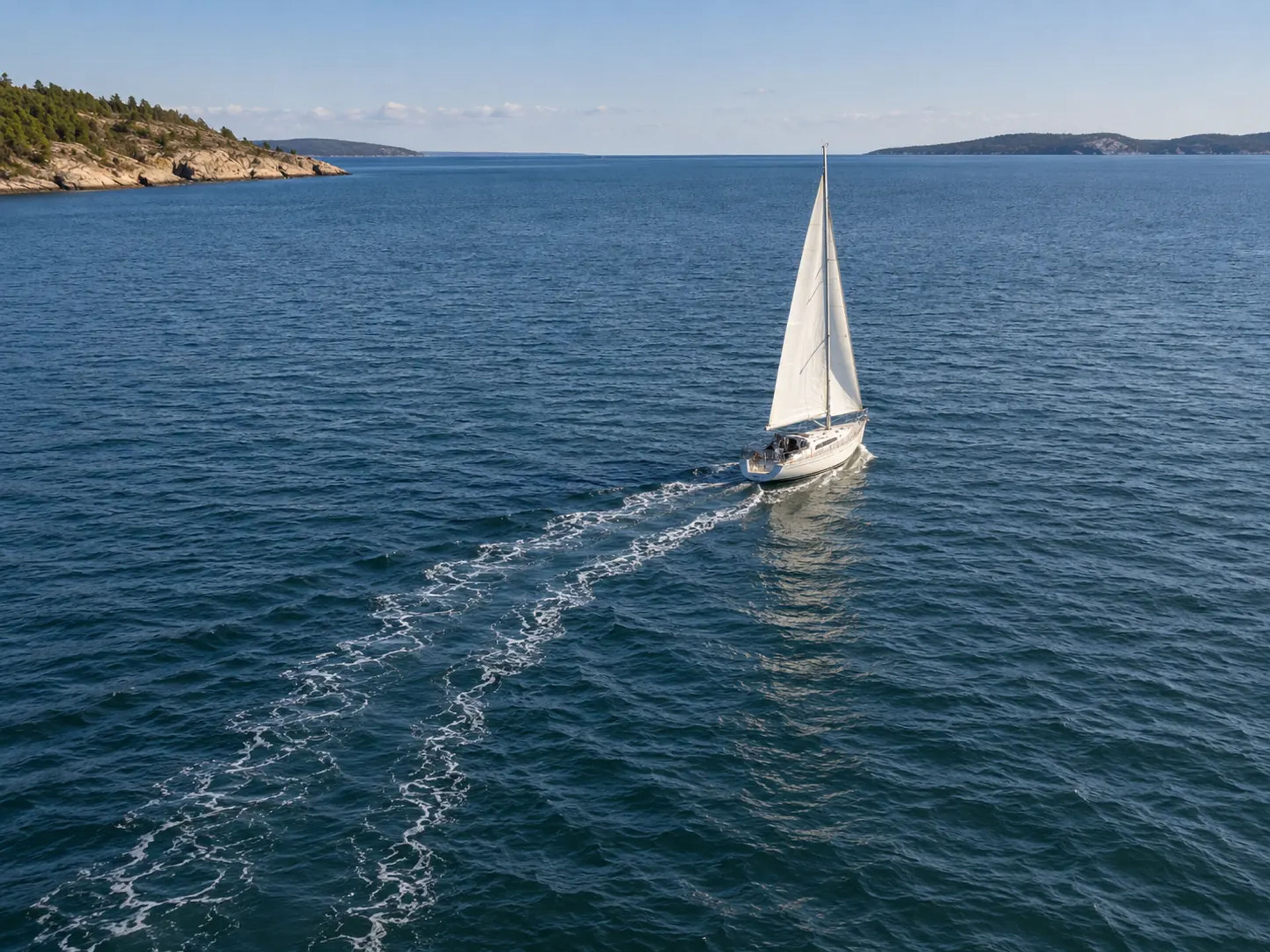
Navigators compensate for this movement by adjusting the boat’s heading so that the combination of the boat’s movement through the water and the current produces the desired course over the ground.
Course Over Ground vs. Heading
One of the most important concepts for beginning navigators is the difference between heading and course over ground.
Your heading is the direction the boat is pointing. Course over ground, often abbreviated COG, represents the direction the vessel is actually traveling relative to the Earth’s surface.
In still water, the two may be relatively similar. When a significant cross-current is present, however, they can differ substantially.
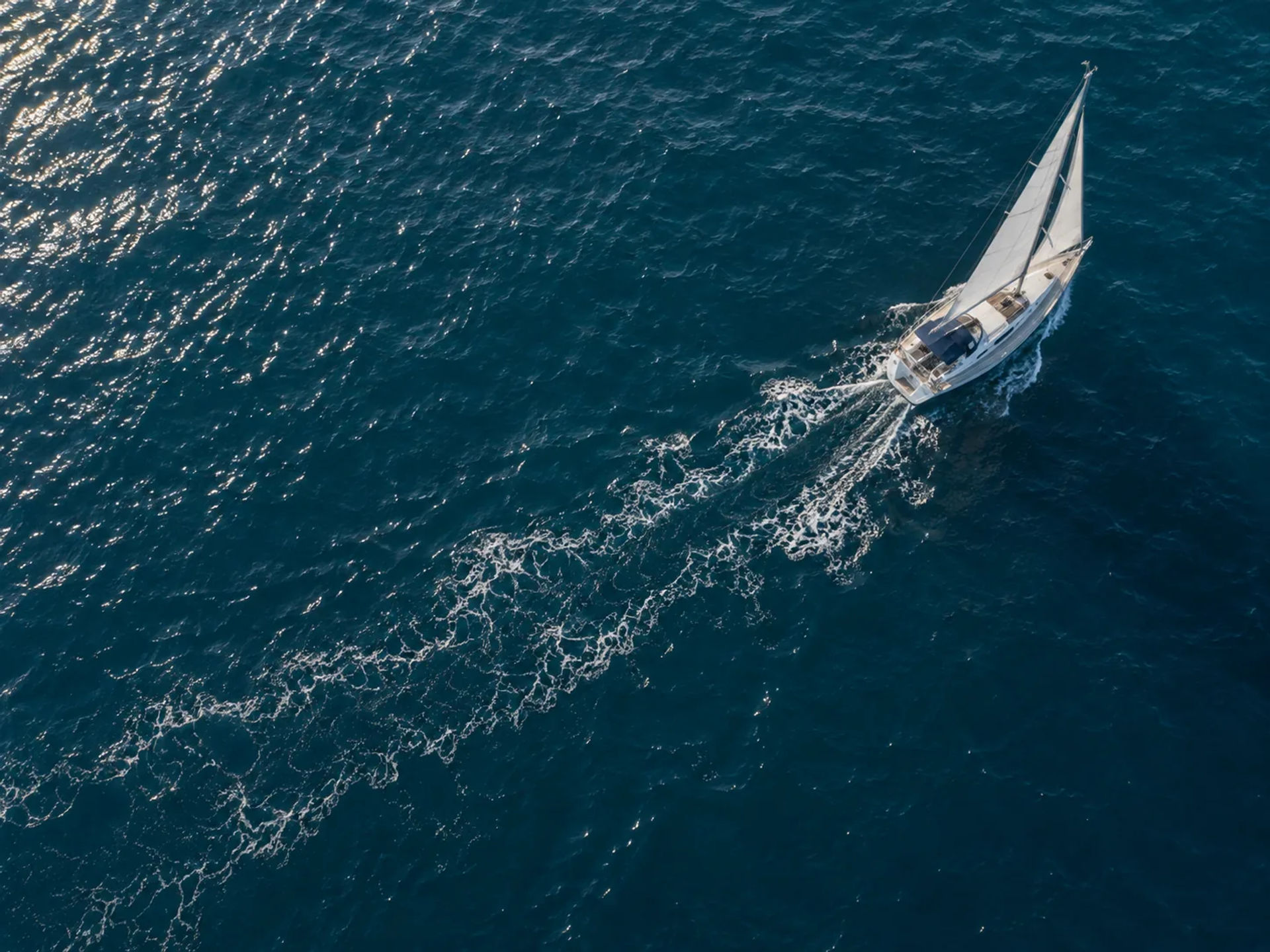
Imagine trying to cross a moving river. If you point directly toward a spot on the opposite bank, the water carries you downstream as you cross. To arrive at the intended point, you need to aim somewhat upstream.
The same basic principle applies to sailing in a current.
How Currents Affect Boat Speed
Currents can also influence your speed over ground (SOG).
Consider a sailboat traveling at 6 knots through the water. If a 2-knot current is flowing directly in the same direction, the boat could theoretically travel approximately 8 knots over the ground. If that same current is flowing directly against the boat, its speed over the ground could be closer to 4 knots.
Real-world conditions are usually more complicated because currents and boats are rarely moving along exactly the same line. Nevertheless, the example demonstrates why current must be considered when estimating passage times.
A difference of only one or two knots can become significant during a longer coastal passage.
How to Use Ocean Currents for Sailing More Efficiently
Currents are not necessarily obstacles. With proper planning, favorable currents can become useful navigational tools.
Time Your Departure Around Favorable Currents
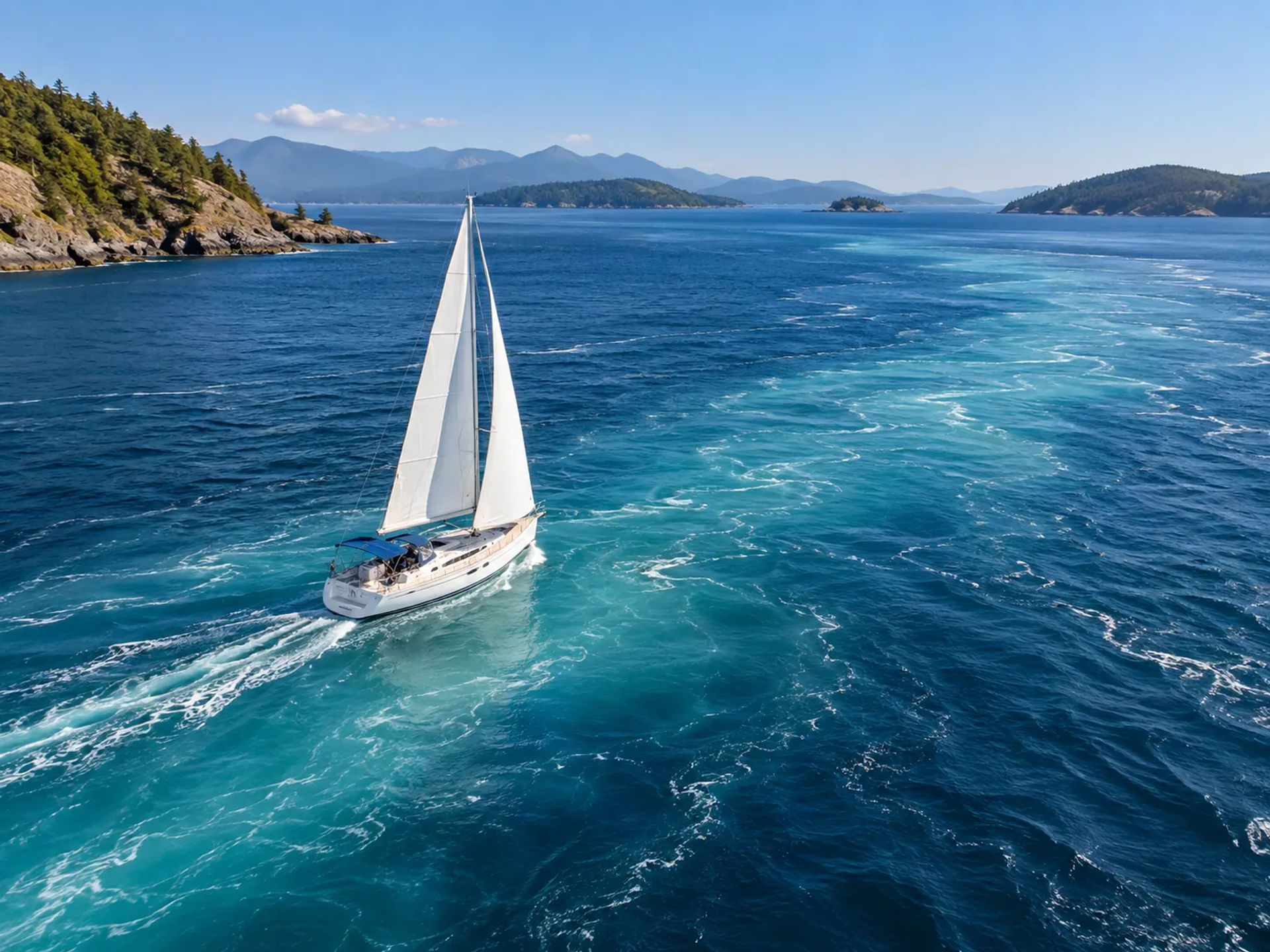
If a predictable tidal current runs along your intended route, choosing the right departure time may allow you to travel with the moving water rather than against it.
Before leaving, review current predictions for different points along your planned passage. The ideal departure time may depend on when you expect to reach areas where currents are strongest.
Adjust Your Heading for Cross-Currents
When water is moving across your route, you may need to steer into the current to compensate for its effect.
The appropriate correction depends on your boat’s speed, current speed, and the angle between the two. Traditional navigation techniques use vectors to calculate this correction, while modern navigation electronics can provide real-time information about your actual movement over the ground.
Understanding the underlying principle remains valuable even when electronic navigation tools are available.
Look for Favorable Water
Current strength may vary considerably over relatively short distances.
Depending on local geography and conditions, stronger currents may develop around headlands, through narrow passages, near harbor entrances, or between islands. In other areas, shallower water or protected locations may experience different current speeds.
Understanding these variations can help you determine whether changing your route could improve your progress.
Incorporate Current Into Passage Planning
Do not wait until you are underway to start thinking about currents.
When planning your route, consider:
- Expected departure time
- Predicted current direction
- Predicted current speed
- When the current is expected to change
- Areas where currents may accelerate
- Your expected boat speed
- Estimated arrival time at important waypoints
- Weather and wind forecasts
This creates a more realistic passage plan than estimating your route based solely on distance and expected boat speed.
What Is Slack Water?
Slack water is the period when tidal current movement becomes relatively weak as the current transitions between directions.
For sailors, understanding when slack water occurs can be particularly useful around locations where currents become strong, such as harbor entrances, narrow channels, or other constricted waterways.
However, slack water does not necessarily occur at exactly the same time as high or low tide. Local geography can create a delay between changes in water level and changes in current direction, which is another reason to consult current predictions specifically rather than relying solely on tide tables.
Recognizing Current While You Are Sailing
Predictions provide a useful starting point, but sailors should also pay attention to what is happening around them.
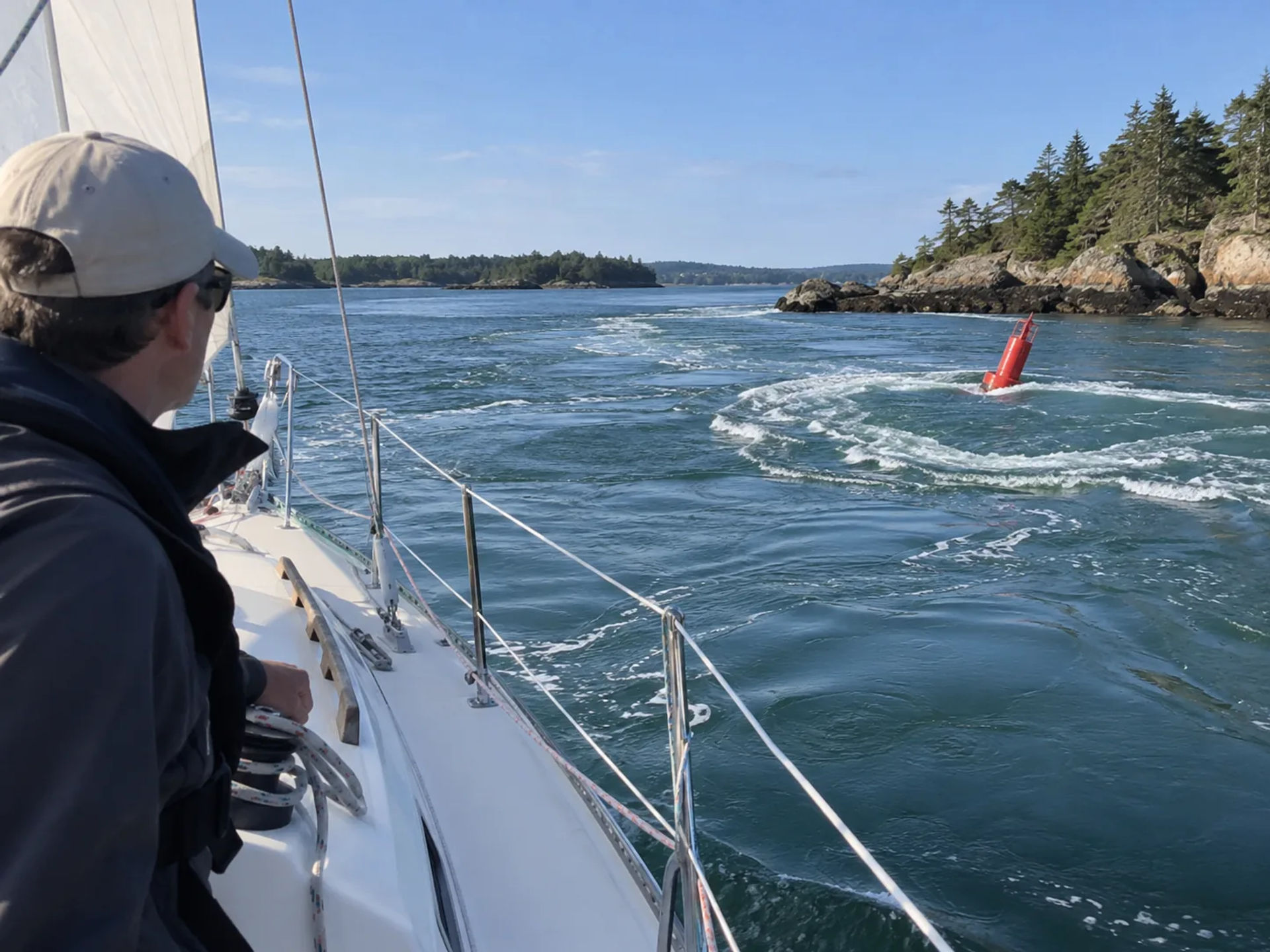
Signs of current can include:
- Your GPS track differing from your heading
- Speed over ground differing noticeably from speed through the water
- Buoys leaning or producing visible wakes
- Floating debris moving consistently in one direction
- Ripples, eddies, or distinct changes in the water’s surface
- Unexpected sideways movement relative to fixed landmarks
Comparing your expected position with your actual position can also help reveal how current has affected the boat over time.
How Wind and Current Work Together
Wind and current should not always be evaluated independently. Their interaction can significantly influence conditions on the water.
When wind and current travel in similar directions, conditions may differ from situations where strong wind opposes the current. Opposing wind and current can contribute to steeper, shorter-spaced waves in some areas, potentially making a passage more uncomfortable or challenging.
Sailors should therefore consider the complete marine environment when planning a route rather than treating current, wind, waves, and weather as completely separate factors.
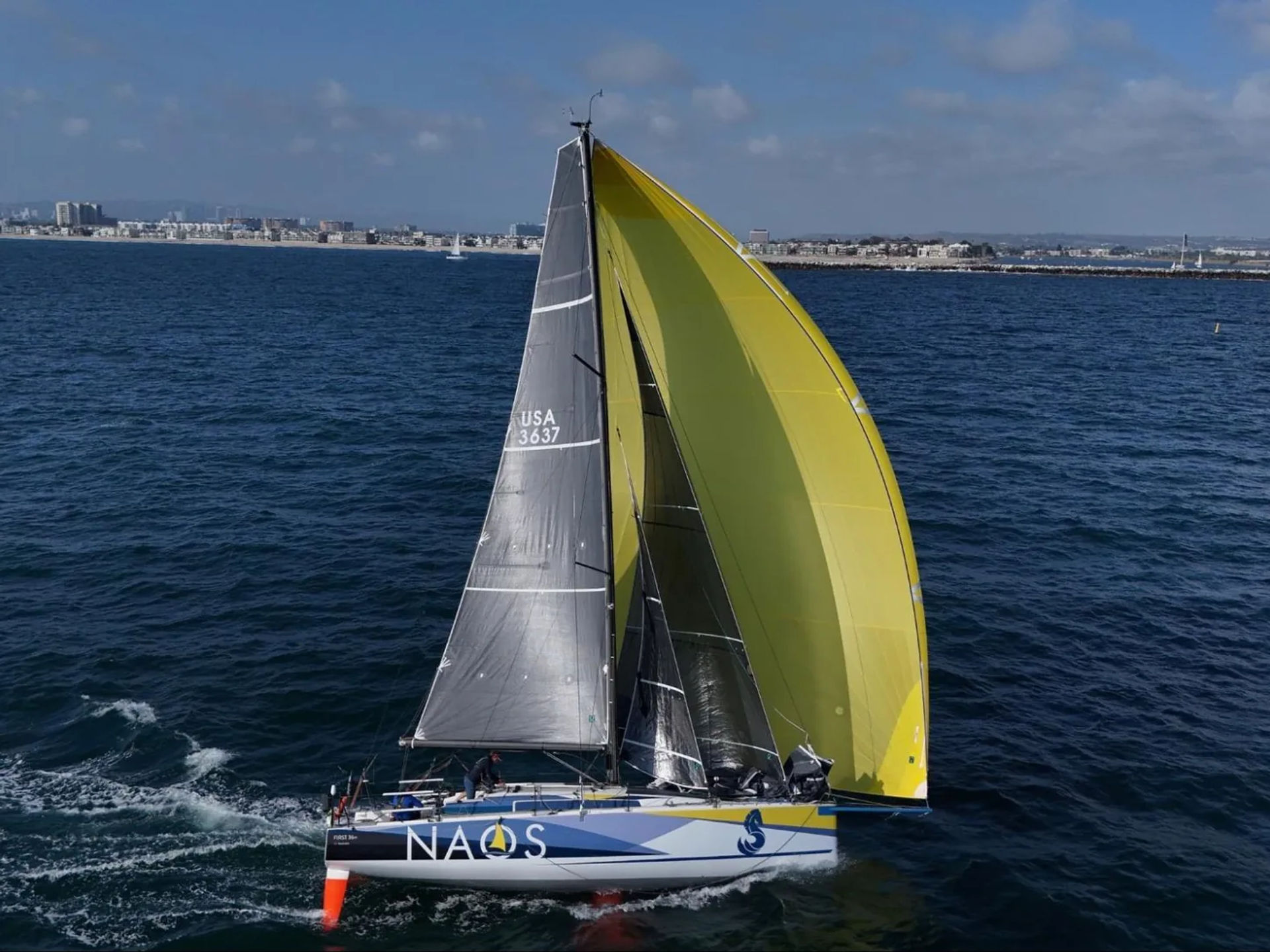
Learning Coastal Navigation With Naos Yachts in Marina del Rey
At Naos Yachts in Marina del Rey, we help sailors build the practical knowledge and navigational skills needed to become more confident on the water. Our sailing school offers a wide range of American Sailing and American Boating certified classes, providing opportunities for sailors to continue developing their skills as they progress from foundational sailing concepts to more advanced navigation and cruising.
For sailors interested in learning more about currents and navigation, our ASA 105 Coastal Navigation and ASA 106 Advanced Coastal Cruising class is particularly relevant. Coastal navigation training can help students develop a stronger understanding of topics such as charts, tides, currents, course calculations, and passage planning, providing the knowledge needed to make better navigational decisions before and during a voyage.
Build Your Navigation Skills and Become a More Confident Sailor
Understanding ocean currents for sailing is an important part of becoming a capable navigator. By learning how currents move, how to interpret current predictions, and how to compensate for set and drift, you can plan routes that account for the water beneath your boat rather than relying solely on heading and boat speed.
The more experience you gain with coastal navigation, the easier it becomes to incorporate currents, tides, weather, and other conditions into your overall passage planning. Contact Naos Yachts in Marina del Rey to learn more about our sailing school, or book a class online to continue building your sailing and navigation skills.
FAQs
Why are ocean currents important?
Ocean currents are important because they can change a boat’s speed over ground and push it away from its intended course. Understanding currents allows sailors to plan more accurate routes, estimate arrival times, and take advantage of favorable water movement.
What causes ocean currents?
Ocean currents are caused by several factors, including wind, tides, differences in water temperature and salinity, Earth’s rotation, and coastal geography. The strength and direction of a current can vary considerably depending on location and conditions.
Do ocean currents change throughout the day?
Yes, tidal currents can change in both speed and direction throughout the day as the tide progresses. Sailors should check current predictions for the specific time and location of their passage rather than assuming conditions will remain constant.
How do you know which direction an ocean current is moving?
Current tables, nautical charts, navigation tools, and marine forecasts can provide information about the predicted direction of water movement. Sailors can also observe GPS tracks, buoys, floating objects, and surface patterns to identify current movement while underway.